Kaju-Kempo

Ju-Jutsu & Karate Combined

Founded in 2015, this martial art is a modern MMA based system forged from the power of Knockdown Karate, the fluid control of traditional Japanese Jujutsu and Jeet Kune Do Concepts. Built for real-world effectiveness, it combines full-contact MMA-based training, Jeet Kune Do Concepts, with the discipline and philosophy of classical Japanese martial arts.
Ka – 拳法 Karate (Empty hand).
Ju – 柔術 Jujutsu (“softness,” or “yielding” way).
Kempo – 拳法 Fist Method. A Japanese term Derived from the Chinese term Chuan Fa.

Kaju-Kempo

Vale Tudo (Anything Goes)

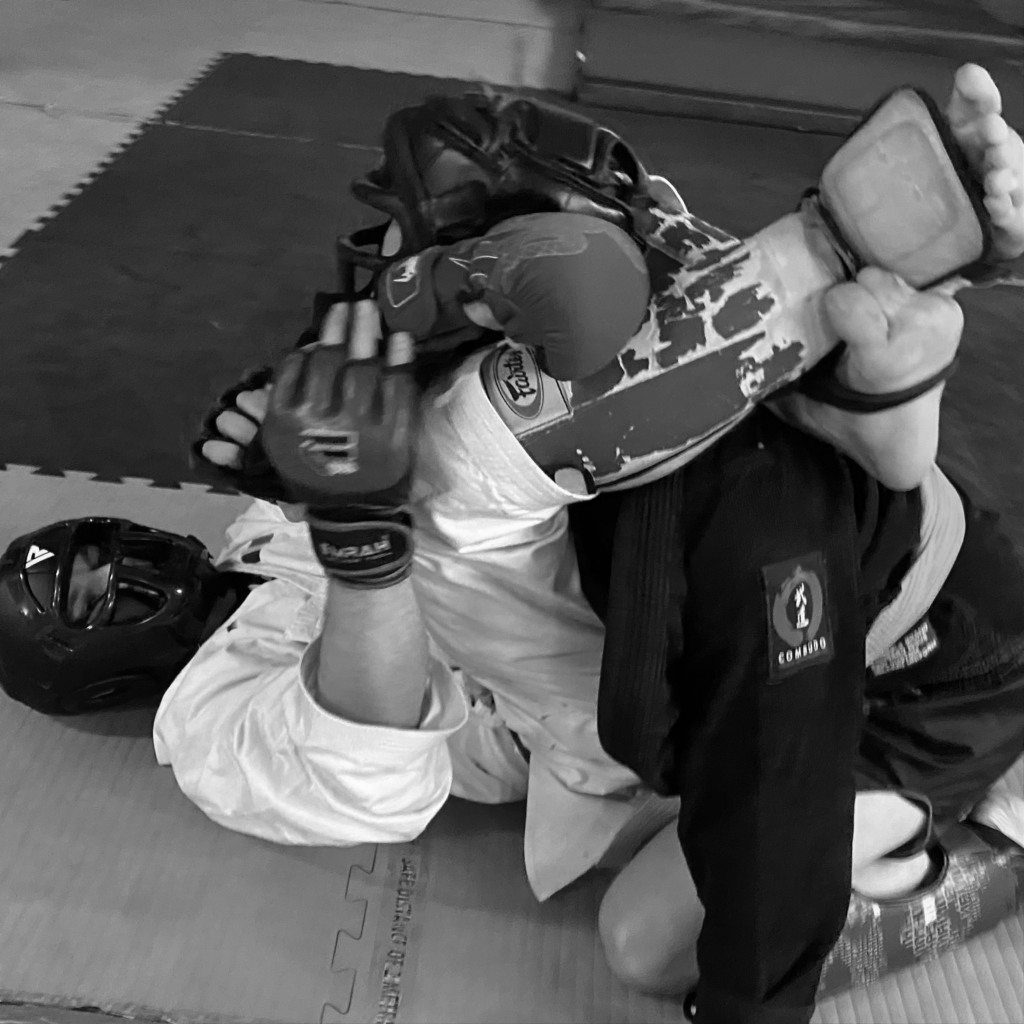
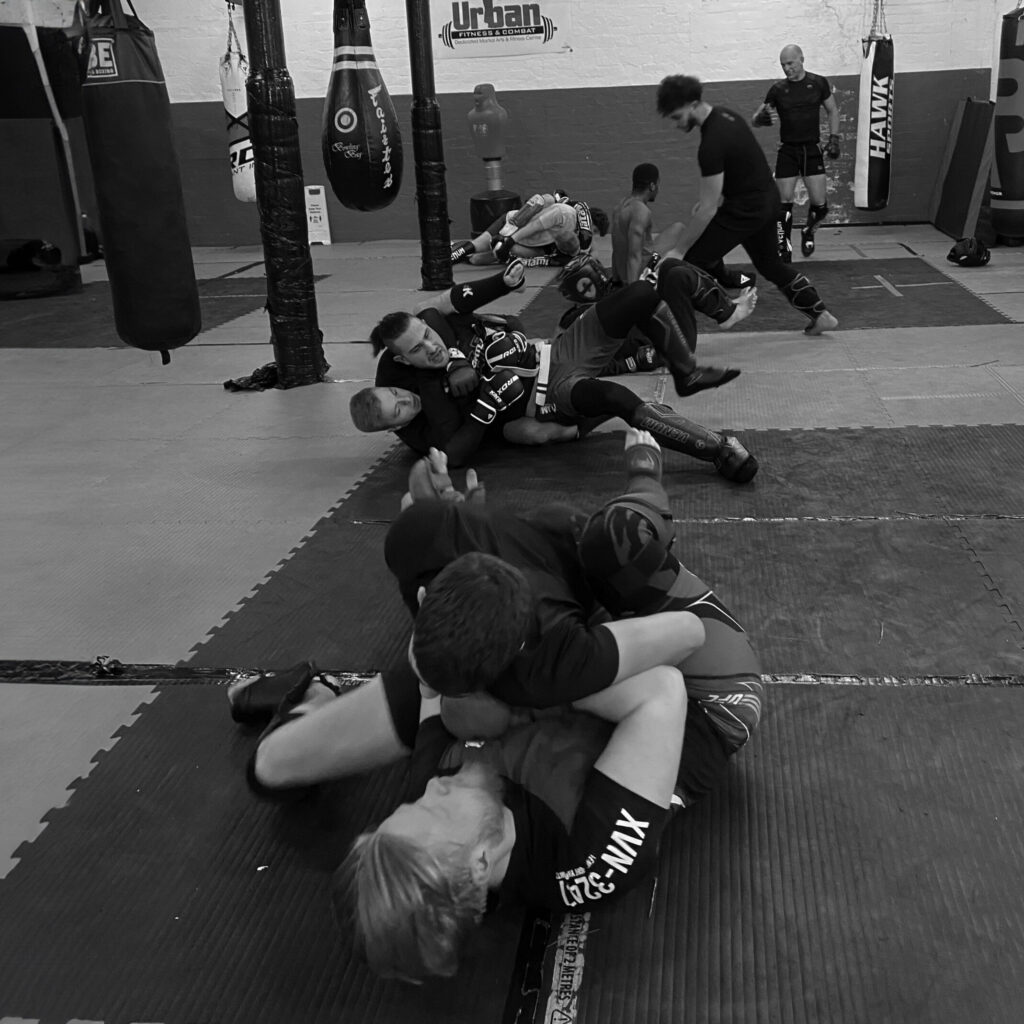
Students are trained to strike, grapple with control, and adapt seamlessly between stand-up fighting and close-quarter combat. The hard conditioning and relentless spirit of Kyokushin develop toughness, resilience, and fighting instinct, while Japanese Jujutsu brings balance, leverage, throws, locks, and tactical awareness.

Kaju-Kempo

Mind, Body, Spirit

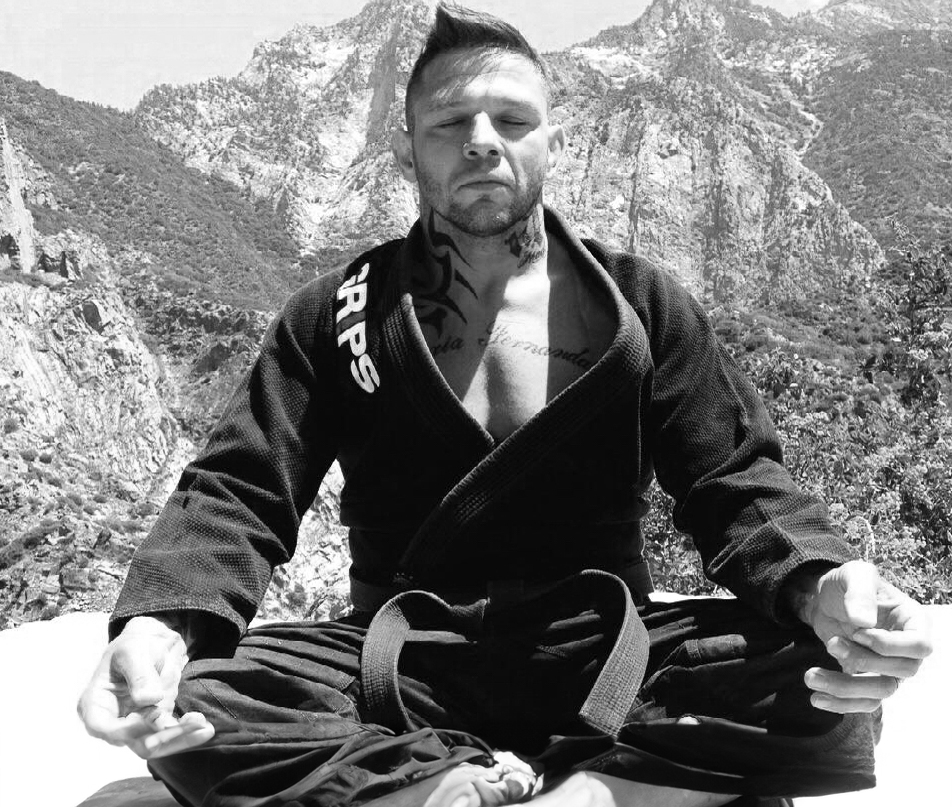
At its core, this system is about more than fighting. It is the cultivation of mind, body, and spirit.

  1. The mind is sharpened through discipline, strategy, and composure under pressure.
  2. The body is strengthened through intense conditioning, sparring, and technical mastery.
  3. The spirit is developed through respect, perseverance, humility, and self-control.
Kickboxing, Martial Arts, Muay Thai Huddersfield

Kaju-Kempo

Kikō - Breathing

Kaju-Kempo

Bogu Kumite

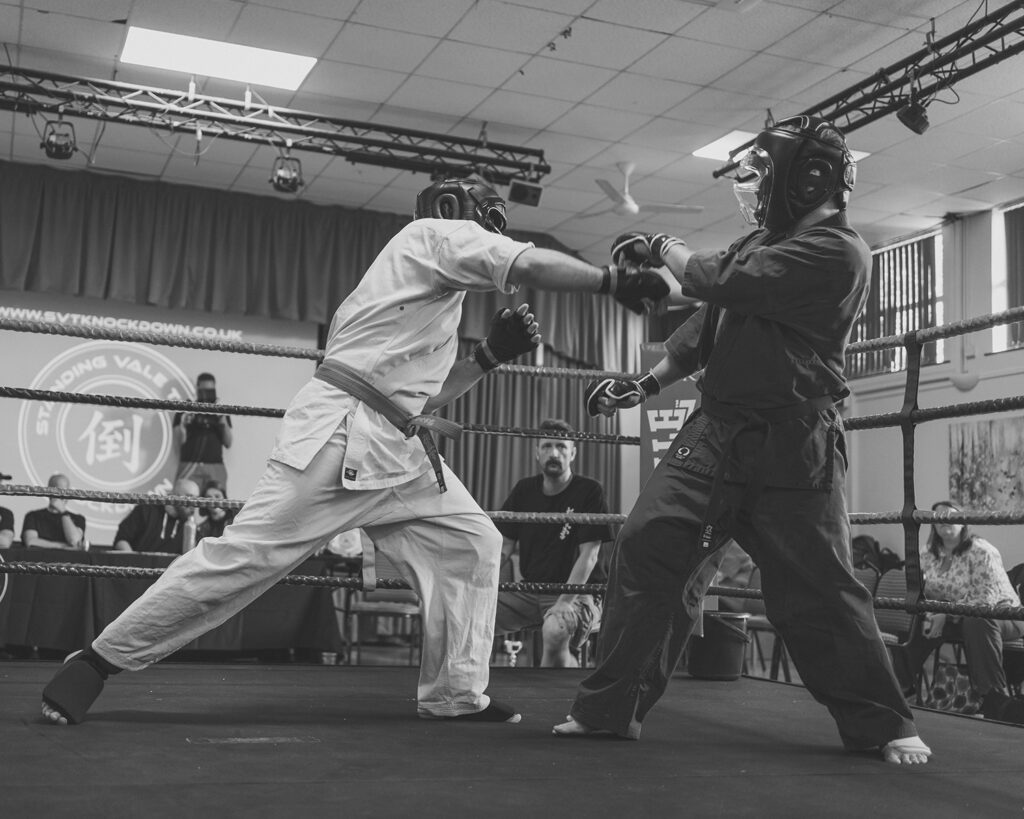
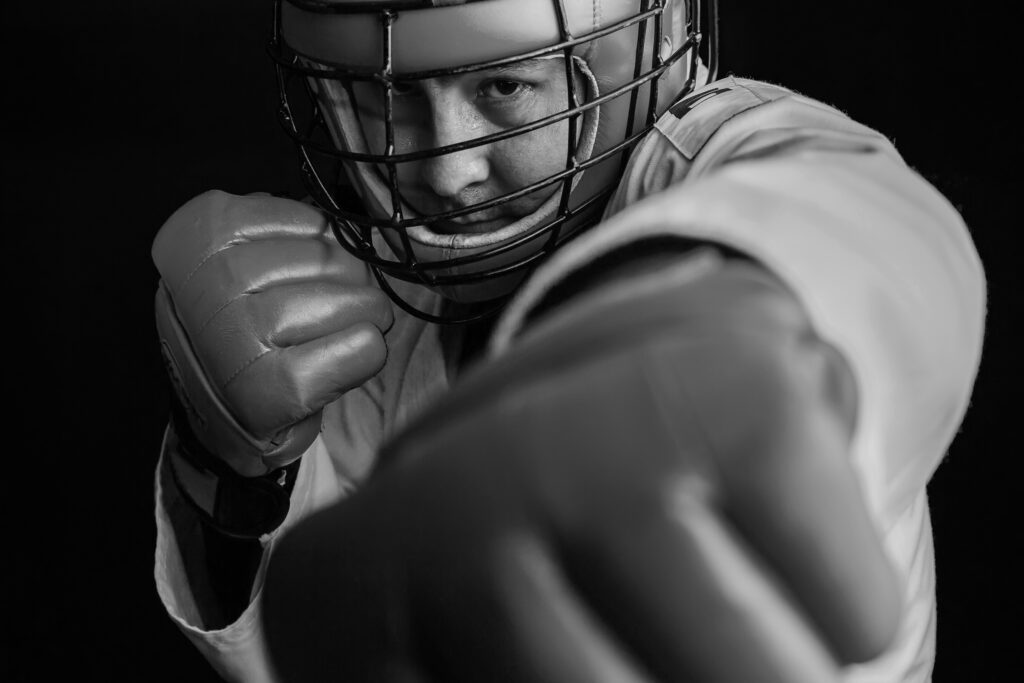
Bogu kumite, commonly linked to traditional Okinawan styles. This continuous competition format uses heavy protective gear to reduce injuries. Early equipment was adapted from Japanese kendo armour and helmets, while modern versions use specialised padding. Knockouts are allowed, but points are more often awarded for clean strikes or techniques that knock an opponent off balance.

Early bogu kumite is primarily credited to Shigeru Nakamura (1891–1969), who developed the protective body armor and training methodologies. While Choki Motobu (1870–1944) did not invent this equipment, his infamous street-fighting prowess heavily influenced the full-contact sparring philosophy that Nakamura later codified.

Karate Huddersfield Combat

Kaju-Kempo

A Lifestyle system

Kaju-Kempo

Jeet Kune Do concepts

Bruce Lee developed Jeet Kune Do as a martial philosophy built around simplicity, efficiency, and directness. Rather than following rigid traditions or fixed styles, Jeet Kune Do Concepts encourages practitioners to absorb what is useful, reject what is unnecessary, and adapt to the individual. Central concepts include interception — striking an opponent during their attack — economy of motion, fluid footwork, strong timing, and the ability to transition seamlessly between striking, trapping, grappling, and defensive movements. The philosophy values realism over ritual, teaching students to respond naturally and instinctively in combat situations.

Beyond fighting techniques, Jeet Kune Do Concepts are deeply rooted in personal growth and self-expression. It teaches practitioners to remain mentally flexible, emotionally controlled, and constantly evolving both inside and outside of martial arts. Concepts such as “using no way as way” and “having no limitation as limitation” reflect the belief that true mastery comes from freedom rather than confinement to a single system. In modern practice, Jeet Kune Do Concepts heavily influences MMA and cross-training methods, encouraging martial artists to develop a complete, adaptable approach to combat while also cultivating discipline, confidence, and lifelong self-improvement.

IN SUMMARY

  • No Way as Way: You are not limited by a single style, pattern, or rigid framework.
  • Simplicity and Directness: Using the most economical movements to strike the nearest vital target directly.
  • Be Like Water: The ability to adapt fluidly to any opponent, environment, or fighting range (kicking, punching, trapping, and grappling).

Kaju-Kempo

CORE KAJU-KEMPO COMBAT GRAPPLING PRINCIPLES

Kaju-Kempo

Kaizen - Ever Evolving

Kaju-Kempo

THe jeet kune do 5 wayS of attack

Figures influential in the development of Kaju-Kempo

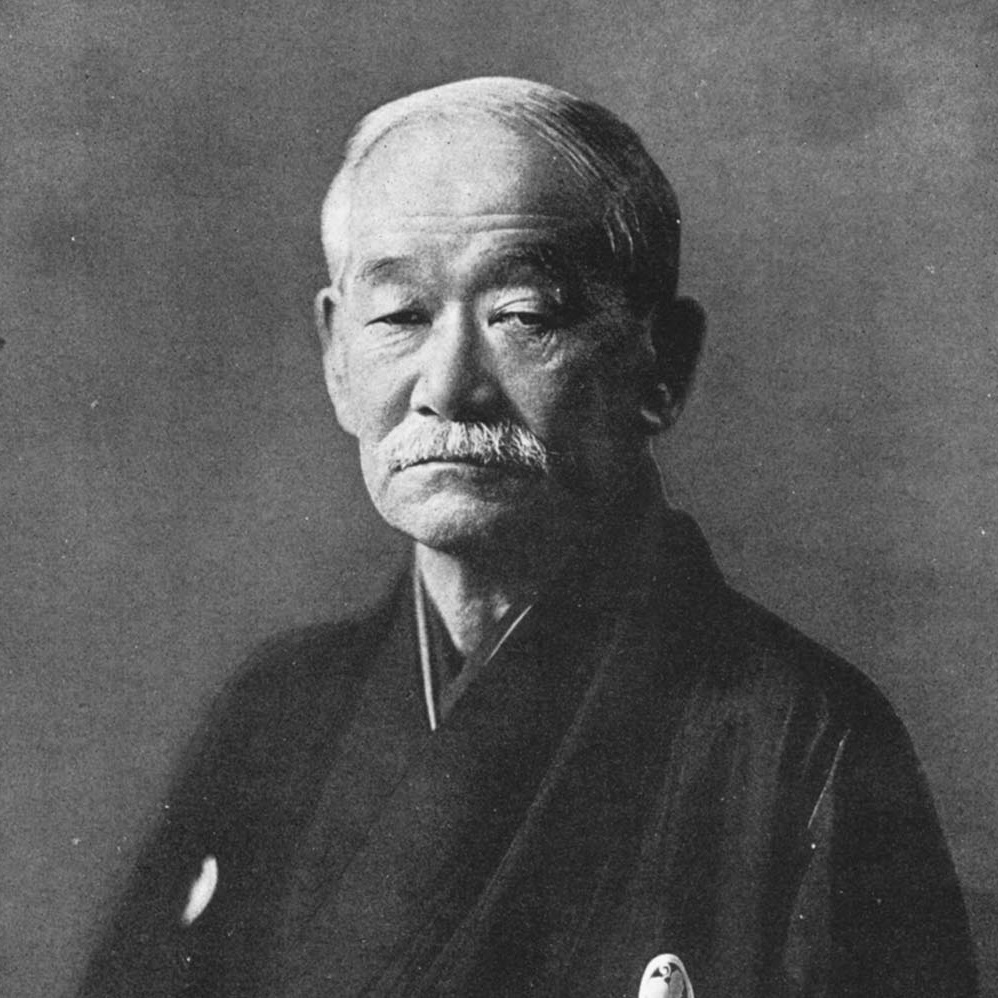
JIGARO KANO

Jigoro Kano revolutionised martial arts by creating Judo, a system that combined effective combat techniques with physical education and moral development. His emphasis on balance, leverage, and efficiency changed the way martial arts were practiced and taught around the world. Many modern grappling arts were influenced by Kano’s methods, including Sambo, which adopted Judo’s throws and submission concepts into its own system. Brazilian Jiu-Jitsu also developed from Judo after Mitsuyo Maeda, a student of Kano, brought the art to Brazil in the early 20th century. Kano believed martial arts should build character, discipline, and mutual respect in addition to fighting skill.
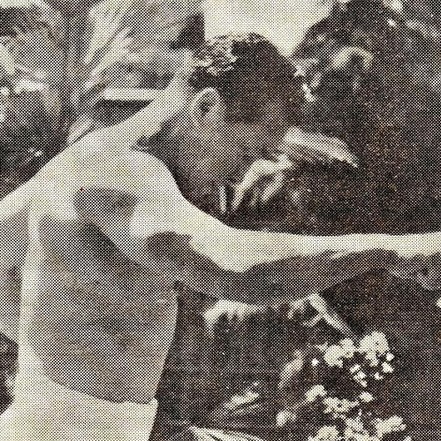
MASUTATSU OYAMA

Mas Oyama had a major influence on martial arts through his creation of Kyokushin Karate, which emphasized full-contact fighting and physical toughness. His training methods and philosophy inspired the development of modern knockdown karate tournaments, where fighters compete with powerful strikes and minimal protective equipment. Oyama’s emphasis on discipline, endurance, and realistic sparring influenced not only karate but also kickboxing and mixed martial arts training. Today, Mas Oyama is remembered as one of the pioneers of full-contact martial arts and a key figure in the worldwide popularity of knockdown competition.
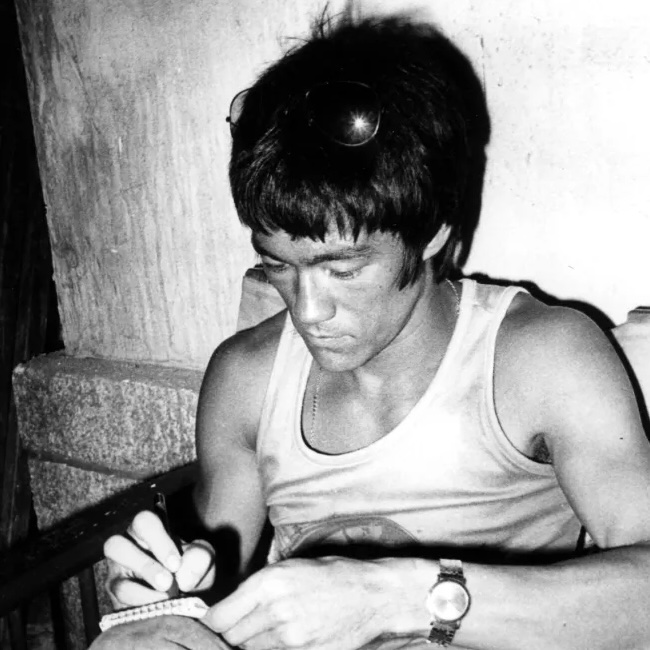
BRUCE LEE

Bruce Lee created Jeet Kune Do as a martial arts philosophy focused on efficiency, simplicity, and directness. One of the core concepts of Jeet Kune Do is to “absorb what is useful and reject what is useless” in combat and in life. The style emphasises adaptability, teaching practitioners to flow naturally and respond to situations without rigid patterns. Jeet Kune Do also encourages mental discipline and self-expression, making it more than just a fighting system. Through these concepts, Bruce Lee believed martial arts should evolve with the individual rather than remain fixed in tradition.
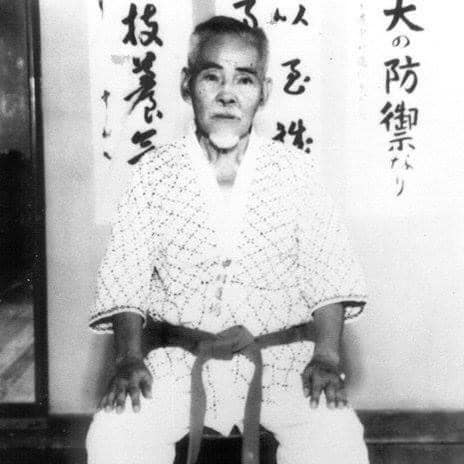
SHIGERU NAKAMURA

Shigeru Nakamura was an influential martial artist best known as the founder of Okinawan Kenpo Karate. He combined traditional Okinawan techniques with modern training methods to create a practical and disciplined fighting system. Nakamura emphasised strong basics, conditioning, and realistic application of techniques in both self-defence and competition. His teachings helped spread Okinawan karate internationally and influenced many later karate organisations and instructors.

Leave a Reply

Your email address will not be published. Required fields are marked *